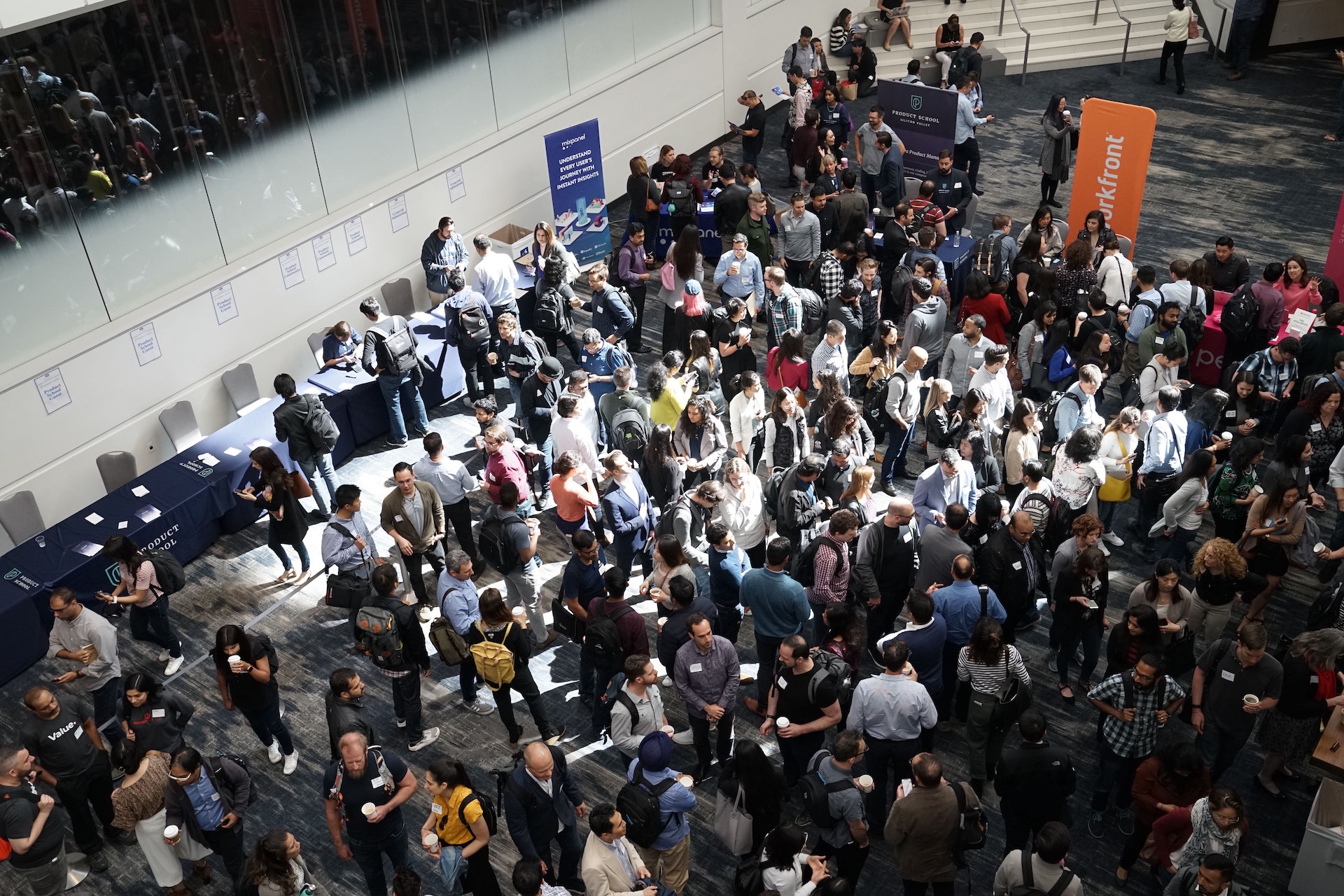
Like many sectors, events were hit by the Covid-19 pandemic and saw activity freeze. Festivals, trade shows and concerts were postponed or cancelled. But as the weather improved and people looked to break the routine of lockdown, digital found its place in the event world, and the match proved a good one.
Although lockdown is over, not every event can go ahead. Numbers have to be limited and venues chosen to allow social distancing and the hygiene measures that go with it. Market players have adopted a range of solutions through digital, which is reshaping the event world by changing its conventions.
1. The impact of the Covid-19 pandemic on the event sector
The pandemic has again demonstrated the strength of digital.
Lockdown affected the event world severely, but a good many operators turned to digital to keep giving their clients experiences.
One of digital’s first advantages is that it makes events last. Past events can be revisited: older social posts can be brought back, replays made available, and experiences shared with friends through video that works as an interactive memento. It is also a way for event professionals to retain clients, by reminding them of past work.
Client retention also runs through personalised communication, which digital makes possible. The databases built at past events now allow you to stay in contact with the audience concerned, keep them informed of upcoming events, and perhaps offer them a new experience.
Digital tools let people take part remotely thanks to their immersive, interactive approach. Replays, live streams and virtual reality mean that:
being physically present is no longer a requirement for attending an event and feeling something at it.
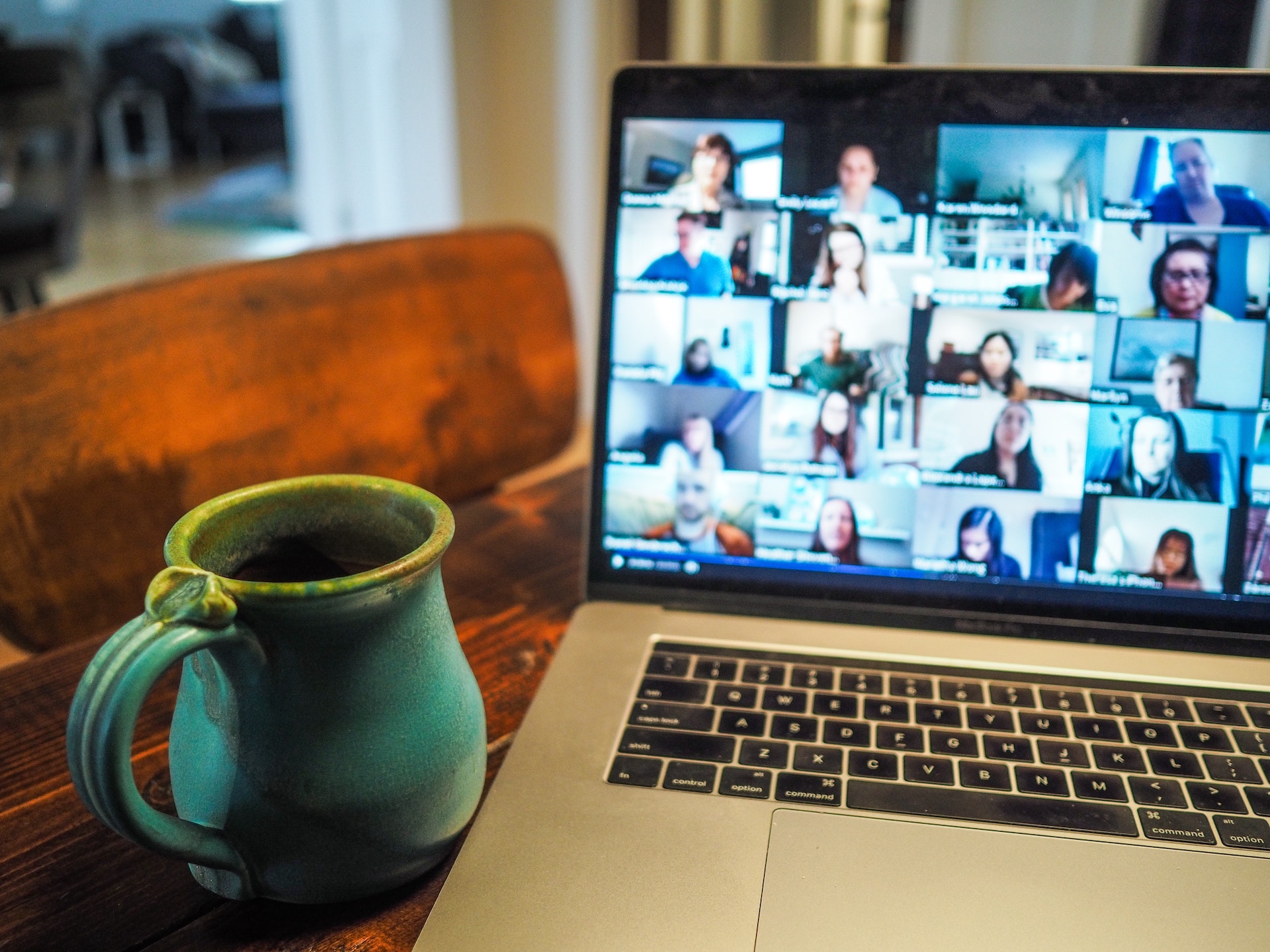
Lockdown also produced concepts borrowed from gaming. It is now possible to attend an event from behind your screen. You are invited to create an avatar and join the showroom, then move from room to room to attend concerts, exhibitions or talks.
Digital opens up new and creative possibilities. The key remains respecting your company’s identity and guiding your audience through anything new. Be prepared to explain, and communicate clearly about how your online event will run.
2. Is the digital event the trend of tomorrow?
A return to “normal life” looks closer than it did, but the event sector will carry the after-effects of this pandemic. Venues will need adapting over the medium term to accommodate the measures set out by government.
The online event, though, may settle into our habits for good. This new way of doing things could well appeal to a great many people, and it is reasonable to expect a more digital future for the event sector.
Studies of mobile use all converge on one point: we check our phones dozens of times a day. The daily screen time that implies speaks for itself.
Digital is therefore an unavoidable channel for events.
If it currently serves to promote events through social networks, it brings other benefits too. Before lockdown it already made it possible to overcome geographical constraints, to offer online ticketing and live streams, and to give organisers access to RFID.
It even lets the consumer become an advocate, by giving their view of an experience through comments left on platforms or social networks. It is a genuine reputation tool, widening your audience quickly and effectively.
The post-lockdown period has brought newer ideas still, such as the dematerialised restaurant menu. To meet hygiene requirements, QR codes are now on the tables of most establishments.
Digital opens interesting possibilities. We would encourage creative, innovative people to join the event world.
3. Which tools should you adopt?
Do you want to digitise your events? There is no shortage of digital features available to you.
Are you familiar with webcasting? The webcast broadcasts chosen content live to a defined audience. It has the advantage of reaching a wide audience and of allowing interactive exchanges between speakers and the audience. Webcasts are regularly used to run seminars — or rather, webinars.
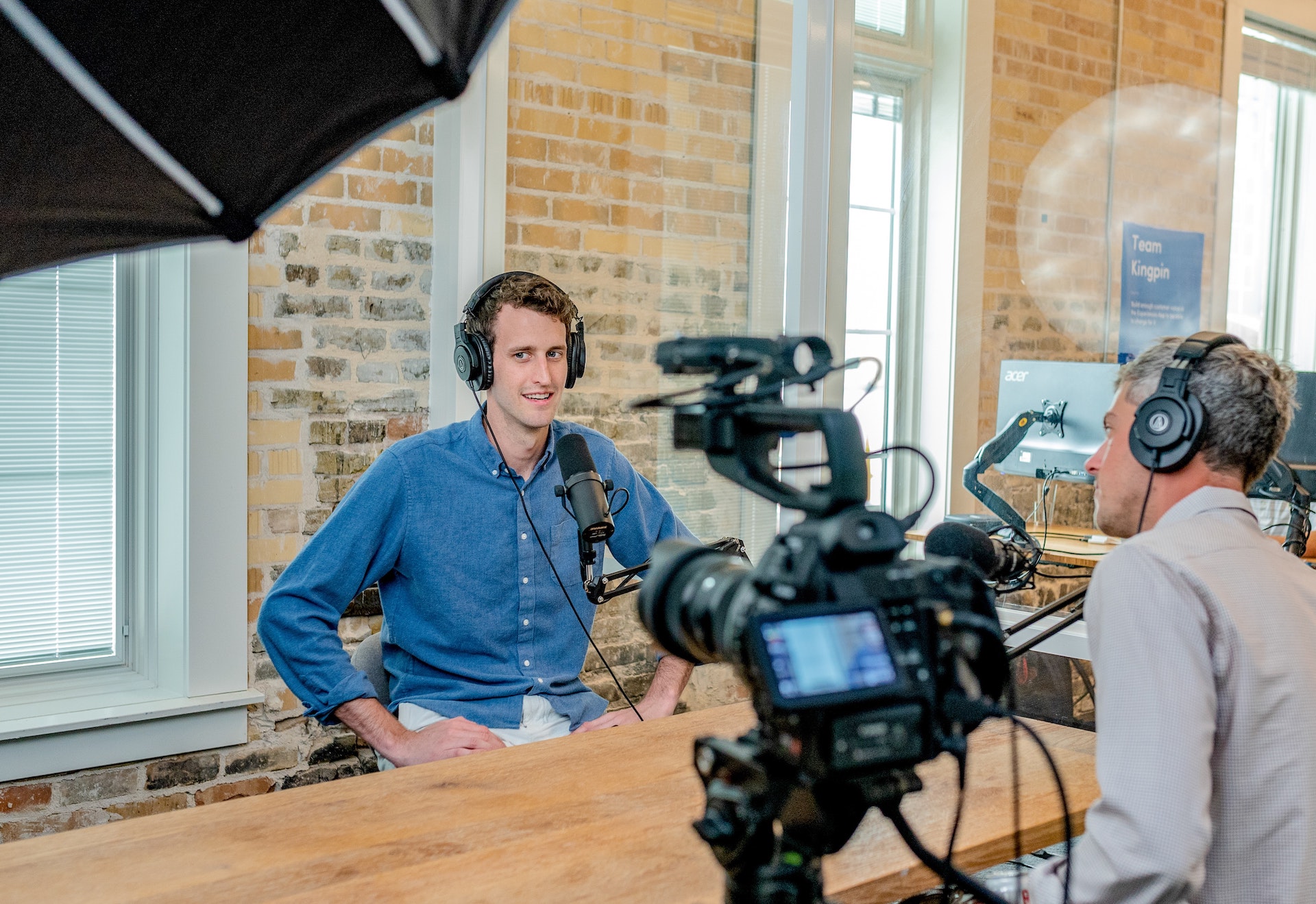
The webinar is also a major tool in the digital transformation of companies. It lets you build a community, strengthen cohesion within the company, and pass information on more easily. It is essential for communicating about the events you run inside your organisation.
To give your events energy and a digital dimension, the quiz is another good option. Energetic, enjoyable, interactive and current, it adds an element of challenge.
Again, guide your audience. Use tools such as polls to get feedback on the experience you offered your guests. It is a good way to understand your audience’s view and adjust your approach next time.
If you want to run an event that makes the most of digital, WeChain can help. We have made all of these tools available so you can build the event that meets your expectations. We work with you to personalise the experience and make your event a memorable one.
Digital events will not replace physical ones. They simply open the door to new possibilities, and will help anticipate the changes our society has to face. In the meantime, let us stay careful and wait for the epidemic to recede before returning to our habits.