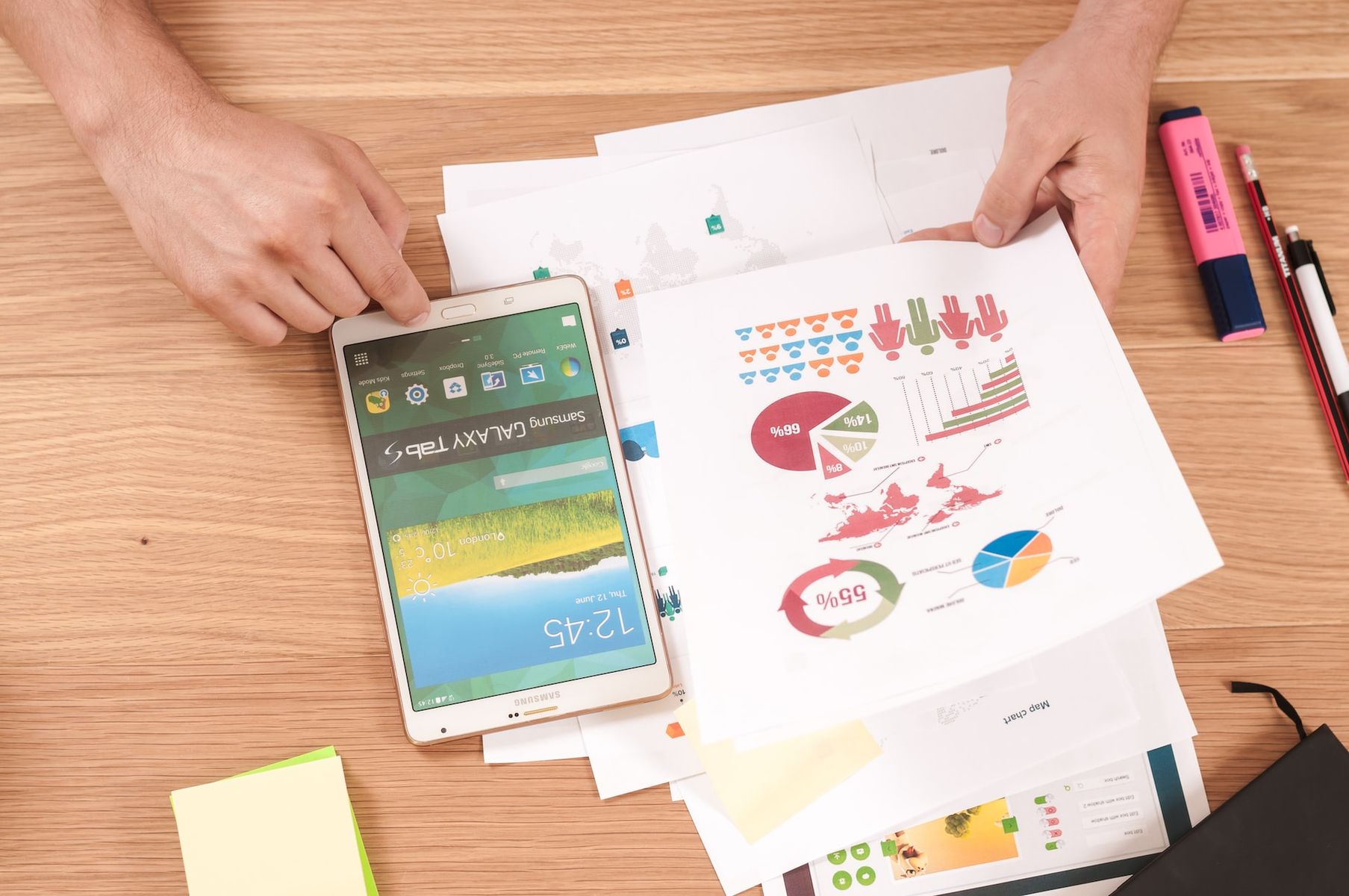
When you run an event, an effective strategy is what lets you meet your objectives and get a return on your investment. The data collected by an application can improve that strategy in several ways.
Collecting the data
An event application lets you collect data on attendees before, during and after the event. That data can include basic information such as name and email address, as well as more detailed information such as an attendee’s interest in the event or their purchase history.
This data helps you target promotions and communications before and after the event, and so increase registrations and sales.
Increasing engagement
Applications can also help you increase attendee engagement during the event, through features such as live polls, real-time chat and networked games.
These features help create an interactive atmosphere, encouraging attendees to connect with one another and take an active part in the event.
Measuring how well the event worked
The data collected by an application also helps you measure how well the event performed once it is over. Tracking data gives you a sense of the event’s reach and of attendee engagement, along with trends that can improve future events.
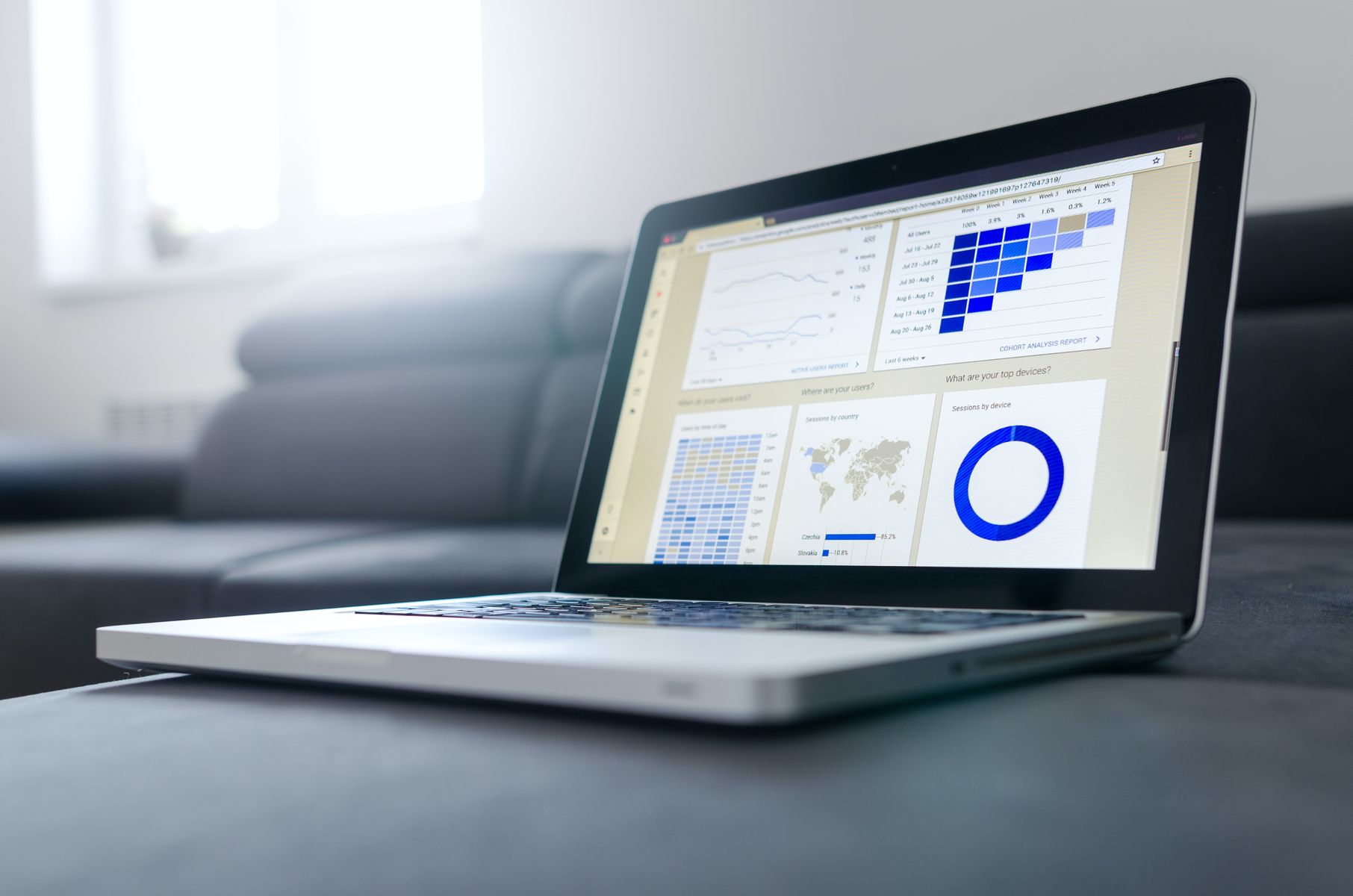
Choosing the right tool
To get the most from the data an application collects, choose one that fits your needs and can feed that data into your existing contact management and sales tracking systems.
It also matters that you tell attendees about the application and explain how it helps them get the most out of the event.
Used well, application data improves your event strategy: better targeting, higher engagement during the event, and useful data for the events that follow.
Consider adding an application to your next event. Our ranking of the best event applications can help you choose.